Our Story, Our Community
From rare to real. We are people living with the rarest forms of Ehlers-Danlos Syndrome — and this is what our community looks like, in our own words and our own numbers.
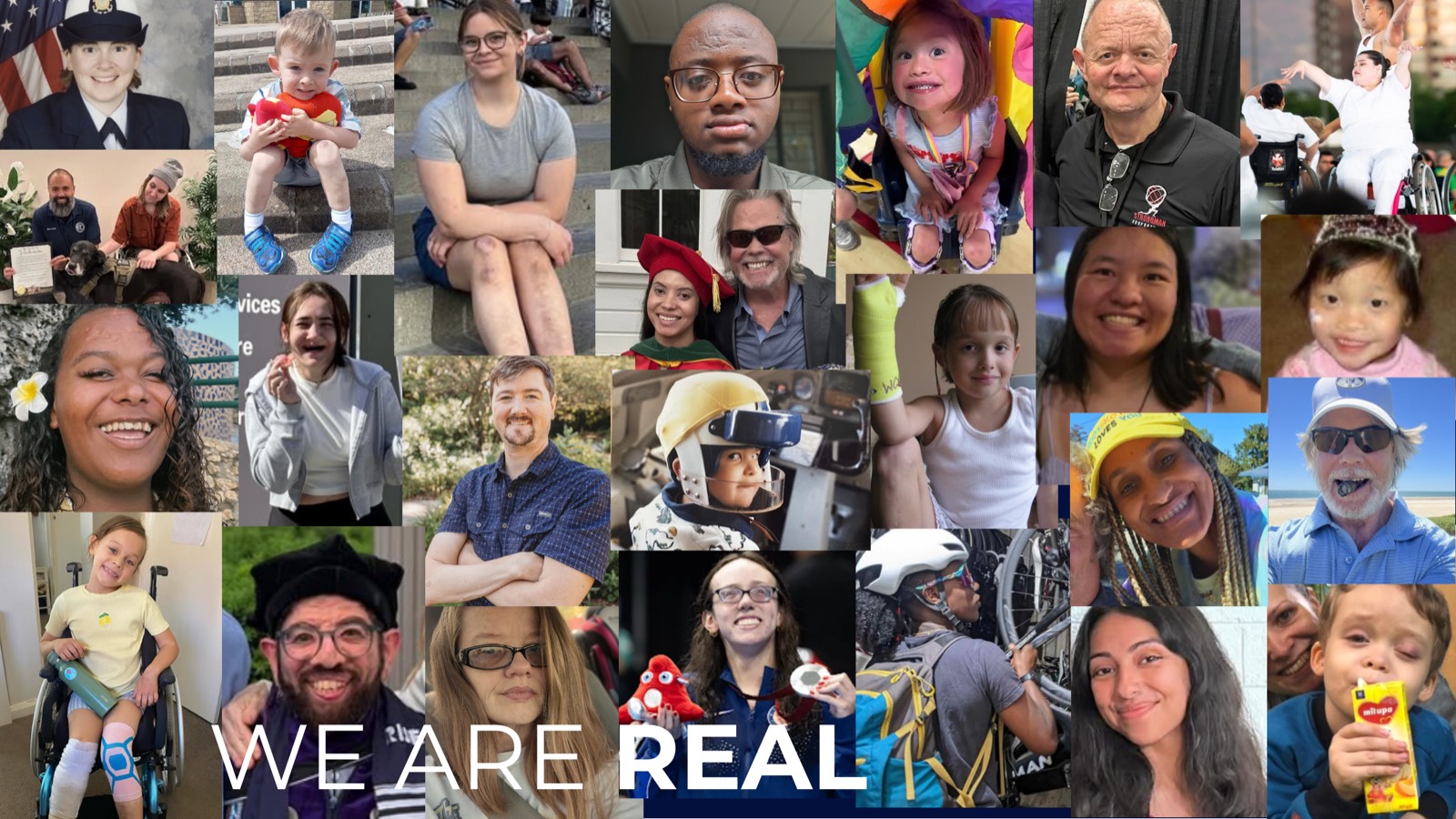
Members of the Collagen Advocacy Network — rare, ultra-rare, and real.
Who We Are
Our Community at a Glance
ALL
rare types represented
5 / 13
continents / countries
18 mo – 67 yrs
ages of our members
100+
members and growing
In Our Own Numbers
What Our Members Told Us
We surveyed our members — patients and parents of patients living with rare types of EDS — about their experiences with medical care, awareness, and the broader EDS community.
Do you find that practitioners are familiar with hEDS, but not about your type?
97% answered yes
Do you feel that current social media awareness of EDS has been harmful to people with rare types?
92% answered yes
Have you ever received improper medical guidance due to the presumption you had hEDS?
80% answered yes
In your experience, have you found it to be more difficult to access resources pertaining to your type of EDS in the last 5 years?
80% answered yes
Do you feel part of the greater EDS community?
5% answered yes
Are you satisfied with current research and education efforts toward rare types?
0% answered yes
Lived Experience
What Defines Our Conditions
We asked our members: “What are the 3 most defining symptoms/comorbidities in your experience with your condition?”
Most Selected
- 1
- 2
- 3
- 4
- 5
Least Selected
- 4
respondents selected POTS
- 4
- 2
respondents selected MCAS
- 1
respondent selected ME/CFS
This does not inherently mean these symptoms/comorbidities are absent — just that they were not selected as a top-3 defining feature of each person’s lived experience.
What We Found
The “EDS” Landscape Today
Our community surveyed what the “EDS” label currently points to — the products, media, clinics, and research built around it — and how often rare types are part of the picture.
“EDS” Podcasts
50+
“EDS”/HSD podcasts
950+
episodes
12
episodes about “rare types”
“EDS” products
The most common products marketed for EDS:
- Compression garments
- Salt packets & electrolytes
- Splints
- Heart rate & migraine trackers
- Pillows
“EDS” infographics
The most circulated EDS infographics:
- POTS/EDS/MCAS “triad”
- Top EDS comorbidities wheel (MCAS, POTS, ME/CFS, AuDHD, and IBS)
- Things you didn’t know were EDS chart
“EDS” clinics
The most common offerings at EDS clinics:
- Hypermobility-centered care
- POTS-focused care
- MCAS assessment and care
- Virtual diagnostic assessments
- GI-related referrals and support
Outside of hypermobility-based physio treatments, the most common resources at EDS clinics outside of hospital settings were: chiropractics, “nutritionists”, red light therapy, saunas, acupuncture, “mindfulness coaching”, meditation, yoga, and massage therapy.
EDS Research & Education
15–20
average sessions at EDS conferences and seminars
1
average sessions about “rare types”
1,800+
estimated research studies on hEDS on PubMed
<10
research articles for 7 of the rare types
Labels yield meaning. If “EDS” doesn’t make one think of…
Arthrochalasia, Brittle Cornea, Cardiac-Valvular, Classical, Classical-Like, Dermatosparaxis, Kyphoscoliotic, Musculocontractural, Myopathic, Periodontal, Spondylodysplastic, Vascular
…the label isn’t functional.
“We’re Better Together”
Change must center the perspectives of the people forgotten by the system.
“EDS” as a catch-all isn’t catching those with their lives on the line.